Not so long ago, summer holidays meant little more than a tent, a roll of rope, and the scent of pine under a clear sky. Today, families still chase that same spirit of freedom - but now with a few more comforts in reach. The seaside campsite has evolved, not just as a place to sleep, but as a full sensory experience where kids dive into water parks, parents unwind in spas, and grandparents stroll barefoot on shaded paths. The goal hasn’t changed: it’s still about being together, away from screens and schedules. But choosing where to do it? That’s gotten a lot more nuanced.
Essential criteria for your seaside family retreat
Direct beach access and safe swimming
When you’re traveling with children, proximity to the water isn’t just a convenience - it’s a game-changer. Being able to walk to the beach in under five minutes means spontaneous morning swims, relaxed evening strolls, and no more lugging heavy gear across long distances. For parents, knowing the shore is safe and gently sloping gives real peace of mind. Many top seaside campsites in southern France now offer supervised swimming zones or shallow lagoons specifically designed for younger children. These areas are often monitored during peak hours, making them ideal for toddlers taking their first confident paddles in the sea. A short walk from pitch to shoreline also reduces the temptation to drive - a small detail that makes for a calmer, more connected holiday.
On-site facilities for all ages
A great family campsite doesn’t just provide a place to sleep - it creates a world where everyone, from toddlers to grandparents, feels engaged. That means purpose-built facilities: kids’ clubs starting from age 4, adventure playgrounds, and spaces where teens can gather. The best sites go further, offering a mix of active and relaxing options. A heated swimming pool is now standard, often with dedicated children’s sections and water games. But beyond the pool, you’ll find sports bases offering paddleboarding, kayaking, or sailing - crucial for families who want to stay active. For adults, access to a wellness area can make all the difference. Think saunas, steam rooms, or gentle yoga sessions at sunset. It’s not about luxury for luxury’s sake - it’s about balance. When parents get a chance to recharge, the whole family benefits.
- Water parks and water slides for non-stop fun
- Supervised kids’ clubs and teen activities
- On-site grocery stores and bakeries for daily essentials
- Sports gear rental: kayaks, paddleboards, bikes
- Wellness areas with spas or relaxation zones
Planning your trip is easy when you book a family campsite in the South of France to enjoy both comfort and nature. The right location means you don’t have to choose between convenience and authenticity - you can have both.
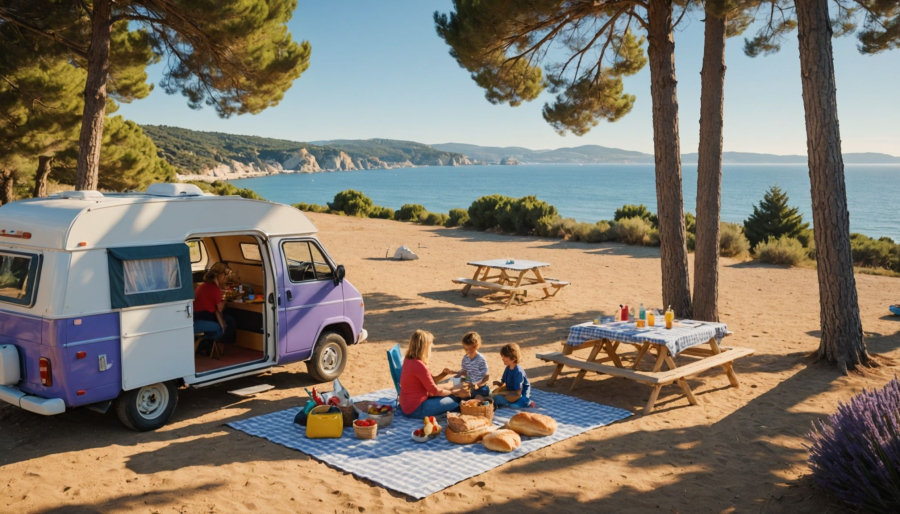
Choosing between 3-star authenticity and 4-star luxury
The charm of natural, quiet settings
Not every seaside escape needs to buzz with activity. Some families - and couples - crave a slower rhythm. That’s where 3-star or smaller 4-star sites shine. Tucked into pine groves or perched above quiet coves, these campsites often feel more connected to the landscape. The emphasis is on shade, tranquility, and ease. You’ll find fewer concrete paths, more native plants, and spaces that encourage exploration. For children, this means room to run and discover. For adults, it’s a chance to unplug. These sites usually offer fewer organized activities, but more freedom. If your ideal day involves a book under a parasol, a long bike ride, or a quiet swim at dawn, this might be your rhythm.
High-end mobile homes with private jacuzzis
At the other end, modern 4-star sites have redefined what a mobile home can be. Today’s models often come with full kitchens, private terraces, and even jacuzzis tucked discreetly outside the bedroom window. These aren’t just upgrades - they change the way you experience a seaside holiday. You can swim in the morning, come back to your unit for a coffee on the deck, and soak in warm water as the sun sets, all without leaving your pitch. It’s about privacy and comfort, without sacrificing the outdoor feel. Many of these homes are also well-insulated and equipped with air conditioning - a quiet luxury in the Mediterranean heat. For families who want to blend camping spirit with hotel-level ease, this is a compelling choice.
Comparing common accommodation styles on the coast
Traditional pitches vs rentals
There’s a certain pride in pitching your own tent - the ritual of setting up, the closeness to nature, the fact that you carry everything on your back. But for many families, especially those with young children or limited time, that model is less realistic. A ready-to-use rental - whether a mobile home, lodge, or apartment - removes setup stress and offers immediate comfort. You arrive, unpack, and start living. Tents and caravans still have their place, especially for seasoned campers who value flexibility. But for first-timers or those seeking ease, a furnished rental with bedding and kitchenware makes a big difference. It’s not about giving up the camping spirit - it’s about redefining it for modern life.
Water park features by category
The presence and scale of water features often mark the difference between 3-star and 4-star sites. While a basic pool is standard, larger establishments now offer entire aquatic zones: slides winding through palm trees, lazy rivers, splash pads with fountains, and even indoor pools for cooler days. These aren’t just for kids - adults appreciate shaded loungers, countercurrent swimming lanes, and jacuzzis. In the Var region, where summer heat can be intense, a well-designed water area is a major draw. Some sites go further, combining sea access with lagoons or heated pools, so guests can choose between saltwater and sheltered freshwater swimming.
Exploring the surroundings
A great campsite doesn’t exist in isolation. Its value often lies in what’s just beyond the gates. The Presqu’île de Giens, for example, offers a rare combination: easy reach of the sea, proximity to quiet hiking trails, and access to iconic spots like Porquerolles Island. Being able to hop on a bike and reach a secluded cove, or take a short ferry ride to a car-free island, elevates the experience. Sites located near medieval villages or local markets also encourage exploration beyond the resort bubble. Look for places where the landscape invites walking or cycling - not just lounging. The best coastal getaways let you dive into both nature and culture without ever needing to drive far.
| Accommodation Type | Target Audience | Main Benefit |
|---|---|---|
| Luxury Mobile Home | Families, couples seeking comfort | Privacy, modern amenities, private terrace |
| Standard Pitch | Traditional campers, budget travelers | Connection to nature, flexibility |
| Sea-view Apartment | Couples, multi-generational groups | Views, self-catering convenience |
| Family Villa | Larger families, groups of friends | Spacious layout, multiple bedrooms |
Commonly asked questions
Which time of year is best to avoid the biggest crowds while keeping the sun?
Early June and September are ideal for families who want warm weather without the peak-season rush. The sea is warm enough for swimming, the campsites are fully open, but schools are still in session in many countries, meaning fewer crowds. You’ll also find better availability and slightly lower rates. The weather remains stable, with long, sunny days perfect for beach time and exploring.
Are water parks usually heated during the low season?
More seaside campsites in the south of France are now offering heated pools, especially in April, May, and September. While full water parks may not operate year-round, the main swimming areas are often heated, extending the season. This trend makes early or late holidays more appealing, particularly for families with younger children who prefer warmer water.
What is the feedback on car-free holidays in these areas?
Many coastal campsites are increasingly walkable, with paths leading directly to the beach or nearby villages. Bike rentals are common, and some areas, like the Presqu’île de Giens, have well-marked cycling routes. That said, having a car can still make day trips to islands or inland sites easier. For a true car-free experience, choose a site with on-site food, nearby shops, and access to public ferries or shuttles.
What makes the Giens Peninsula different from other coastal areas?
The Giens Peninsula stands out for its natural diversity - you’re never far from the sea, pine forests, or hiking trails. It’s also close to the Îles d’Or, including Porquerolles, which adds a unique adventure element. Unlike more built-up stretches of the coast, it balances accessibility with a sense of wild beauty. Families appreciate that they can swim, explore, and find quiet spots all within a short distance.
